Skin oils, sweat, cosmetics, dust and humidity build up on jewelry every day. Left alone, they dull stones, speed up tarnish and wear down plating. Small habits protect the beauty and value of your pieces, and catch loose stones, worn prongs or weak clasps before you lose something.
Storage
Give each piece its own pouch or compartment so nothing tangles or scratches.
Fasten chains and bracelets, and store necklaces flat or hanging, never in a heap.
Use anti-tarnish bags or strips for silver, and keep plated pieces dry.
Add silica gel packets to jewelry boxes in humid climates.
Keep pearls, opals and turquoise away from dry heat; they need a little moisture.
Store away from bathrooms, windows, hot cars and direct sun.
Cleaning Routine
After every wear: wipe with a soft, clean cloth.
Every 2–4 weeks: gentle wash for pieces worn daily, following the guidance for that gem or metal.
Every 6–12 months: have a jeweller check prongs, clasps and settings, and clean and polish professionally.
Wearing Habits
Put jewelry on last, after perfume, hairspray and lotion, and take it off first at the end of the day. Choose a piece for the activity: leave delicate gems and pearls at home for the gym, gardening or cooking.
Seek A Professional When
A stone feels loose or rattles.
A clasp, chain link or prong looks bent or worn.
Plating has worn through or silver is heavily tarnished.
You are unsure what treatment a gem has had.
What To Avoid
Wearing jewelry while swimming, showering, cleaning, gardening or exercising.
Chlorine, bleach, ammonia and other household chemicals.
Perfume, hairspray, lotion and sunscreen touching the piece.
Toothpaste, baking-soda scrubs and abrasive cloths on gems or plated jewelry.
Ultrasonic and steam cleaners without checking the gem and any treatments first.
Extreme heat, saunas, hot cars and sudden temperature changes.
Throwing pieces together in one pouch or box.
Sleeping in jewelry, especially chains and pearls.
Pulling tangled chains apart roughly.
Skipping professional checks on rings worn every day.
Gemstones
A general guide for untreated stones in good condition. Treatments such as oiling, fracture-filling or dyeing change the answer, so read the full entry and ask a jeweller when in doubt.
* The Mohs scale, devised by German mineralogist Friedrich Mohs in 1812, ranks minerals from 1 (talc, the softest) to 10 (diamond, the hardest) by their ability to scratch one another. A mineral can scratch anything softer than itself. The scale is not evenly spaced: diamond is many times harder than corundum (9). It measures scratch resistance only, not toughness, so a hard gem can still chip or split if struck.
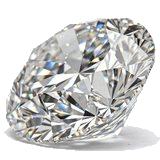
Diamond
Mohs 10*
A hard, brilliant crystal of pure carbon, the classic centre stone and the hardest natural gem.
Why It Needs Care
Diamond resists scratching better than any other gem, but hardness is not the same as toughness: a sharp knock on an edge can still chip it. Its surface also attracts grease and lotion, which dulls its sparkle quickly.
How To Clean
Soak 15–20 minutes in warm water with a few drops of mild dish soap.
Brush gently behind and around the stone with a soft baby toothbrush.
Rinse under lukewarm running water (close the drain) and dry with a lint-free cloth.
What To Avoid
Chlorine bleach, which can harm the metal alloys in the setting.
Hard knocks on the edges of the stone.
Ultrasonic or steam cleaning if the stone is fracture-filled or laser-drilled; ask your jeweller.
Storage
Store in its own soft pouch or compartment. A diamond can scratch other jewelry, so never let it touch other pieces.
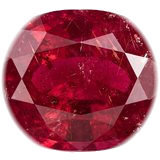
Ruby
Mohs 9*
The red variety of corundum, prized for its deep colour and strong durability.
Why It Needs Care
Ruby is very hard and tough, which makes it good for daily wear. Many rubies are heat-treated, and some are filled with glass or resin to improve clarity; those fillings can react to heat, acids and ultrasonic vibration.
How To Clean
Wash in warm water with mild soap and a soft brush.
Rinse well and pat dry with a soft cloth.
If your ruby is untreated, a jeweller may confirm that an ultrasonic cleaner is safe.
What To Avoid
Acids, lemon juice and strong household cleaners, which can damage filled stones.
Steam and ultrasonic cleaners unless you know the stone is untreated.
Sudden temperature changes.
Storage
Keep in a fabric-lined box or pouch away from diamonds and other hard stones.
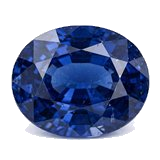
Sapphire
Mohs 9*
The blue (and sometimes pink, yellow or white) variety of corundum, known for lasting beauty.
Why It Needs Care
Sapphire shares ruby’s hardness and toughness, so it handles daily wear well. Like ruby, many stones are heat-treated, and a few are filled or diffusion-treated, so we recommend the gentle route first.
How To Clean
Soak briefly in warm water with mild dish soap.
Clean gently with a soft brush, paying attention to the underside where oils collect.
Rinse and dry with a lint-free cloth.
What To Avoid
Harsh chemicals and abrasive cleaners.
Ultrasonic or steam cleaning without checking for treatments first.
Storing loose with harder stones such as diamonds.
Storage
Store separately in a soft pouch. Corundum can scratch softer gems and metals.
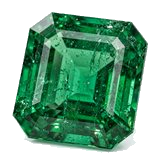
Emerald
Mohs 7.5–8*
The rich green variety of beryl, loved for its colour and its natural “garden” of inclusions.
Why It Needs Care
Most emeralds contain natural fractures, and most are treated with oil or resin to hide them. Heat, solvents and vibration can draw out the filler or widen the fractures, so emerald is hard but fragile in practice.
How To Clean
Wipe or briefly rinse in lukewarm (never hot) water with a drop of mild soap.
Use a very soft brush and do not soak.
Dry right away with a soft cloth.
What To Avoid
Ultrasonic and steam cleaners.
Soaking, hot water and solvents, including alcohol-based cleaners.
Knocks, which can extend existing fractures.
Storage
Keep in a padded pouch or box, apart from other pieces. Avoid leaving it in a hot car or in direct sun.
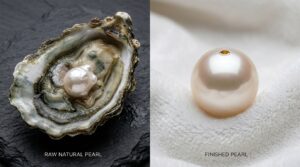
RawFinished
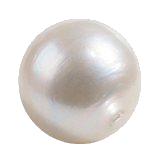
Pearl
Mohs 2.5–4.5*
An organic gem grown in oysters and mussels, built from layers of nacre. Pearls are the heart of Navidha.
Why It Needs Care
Pearls are mostly calcium carbonate, so they are soft and dissolve in acids. Perfume, hairspray, vinegar, sweat and cosmetics slowly etch the surface and dull the lustre. Silk thread also stretches and weakens with wear.
How To Clean
Wipe each pearl with a soft, slightly damp cloth after every wear.
For a deeper clean, use a cloth with a drop of very mild soap, then a clean damp cloth.
Lay flat to dry completely before storing.
What To Avoid
Ultrasonic, steam, baking soda, ammonia, vinegar and any abrasive polish.
Perfume, hairspray and lotion: remember “last on, first off.”
Hanging a wet strand, which stretches the silk.
Storage
Store flat in a soft pouch, separate from harder gems. Avoid long-term sealed plastic bags, since pearls need a little humidity. Have a strand restrung every year or two if worn often.
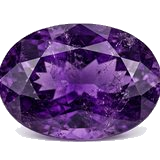
Amethyst
Mohs 7*
A purple variety of quartz, from soft lilac to deep violet.
Why It Needs Care
Amethyst is reasonably hard, but its colour can fade with long exposure to strong sunlight or heat. Quartz can also hold small fractures that react to sudden temperature change.
How To Clean
Wash in lukewarm water with mild soap and a soft brush.
Rinse and dry with a soft cloth.
Ultrasonic cleaning is sometimes fine for clean stones, but check first.
What To Avoid
Prolonged direct sunlight and heat, which can fade the colour.
Steam cleaners and sudden temperature changes.
Harsh chemicals.
Storage
Keep in a pouch out of the sun, such as in a drawer or closed box.
Topaz
Mohs 8*
A hard gem found in many colours, including popular blue and golden imperial topaz.
Why It Needs Care
Topaz is hard but has perfect cleavage, which means a sharp blow can split it along a flat plane. Many blue topaz stones are treated for colour, and some golden topaz can fade in strong light.
How To Clean
Clean in warm soapy water with a soft brush.
Rinse well and dry with a soft cloth.
Avoid mechanical cleaners unless a jeweller approves.
What To Avoid
Hard knocks and pressure on the stone.
Ultrasonic and steam cleaners, because of cleavage and possible fractures.
Prolonged sun and heat.
Storage
Store in a separate soft pouch so the stone does not hit other jewelry.
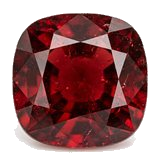
Garnet
Mohs 6.5–7.5*
A family of durable gems, best known for deep red but found in many colours.
Why It Needs Care
Garnet is fairly hard and takes everyday wear well, but it can still scratch against harder stones. Sudden temperature changes can stress stones with inclusions.
How To Clean
Wash in warm water with mild soap and a soft brush.
Rinse and dry gently.
Ultrasonic is usually fine for clean stones; check with your jeweller if unsure.
What To Avoid
Sudden temperature changes.
Abrasive cleaners.
Storing loose against diamonds, rubies or sapphires.
Storage
Keep in a soft pouch or compartment away from harder gems.
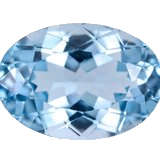
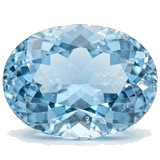
Aquamarine
Mohs 7.5–8*
A pale blue to sea-green variety of beryl, known for clarity and calm colour.
Why It Needs Care
Aquamarine is usually clean and durable, but it is still beryl, so strong knocks and heat can harm it. Many stones are gently heat-treated for colour.
How To Clean
Wash in lukewarm soapy water with a soft brush.
Rinse and dry with a lint-free cloth.
Use an ultrasonic cleaner only if the stone is clean and the setting is secure.
What To Avoid
Heat, hot water and sudden temperature change.
Chlorine, which can harm the setting.
Sharp knocks.
Storage
Store in a soft pouch or lined box, away from sun and heat.
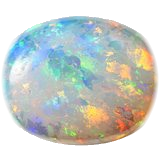
Opal
Mohs 5.5–6.5*
A gem of play-of-colour, made of tiny silica spheres with water trapped between them.
Why It Needs Care
Opal holds up to roughly 20% water. Dry air or sudden temperature change can cause it to crack or craze, and many opals are doublets or triplets glued in layers that soaking can loosen.
How To Clean
Wipe with a soft, damp cloth.
Dry immediately and gently.
Do not soak or scrub.
What To Avoid
Soaking, ultrasonic and steam cleaners.
Heat, dry storage and sudden temperature change.
Household cleaners, oils and cosmetics.
Storage
Store in a soft pouch, away from heat and sun. Avoid very dry places, such as near a heater.
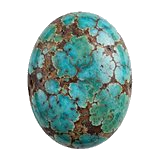
Turquoise
Mohs 5–6*
An opaque blue-green stone prized for its colour, often with a matrix of veins.
Why It Needs Care
Turquoise is soft and porous, so it absorbs oils, sweat, lotions and cleaners, which can change its colour. Many stones are stabilised with resin, which can be dulled by chemicals or heat.
How To Clean
Wipe gently with a soft, dry cloth.
If needed, use a barely damp cloth, then dry straight away.
Never soak or scrub.
What To Avoid
Soap, solvents, ultrasonic and steam cleaners.
Perfume, lotion and sweat: put it on last, take it off first.
Direct sun and heat.
Storage
Store in its own pouch, away from sun and other jewelry that can scratch it.
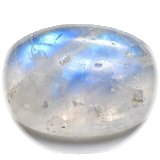
Moonstone
Mohs 6–6.5*
A glowing feldspar gem with a soft, floating sheen.
Why It Needs Care
Moonstone is moderately hard but has perfect cleavage in two directions, so it chips and cracks easily and scratches on harder materials.
How To Clean
Wipe with a soft damp cloth, or use a brief soak in lukewarm soapy water.
Rinse and dry with a soft cloth.
Do not scrub.
What To Avoid
Ultrasonic and steam cleaners.
Knocks and pressure.
Rough contact with harder gems and metals.
Storage
Store alone in a soft pouch. It is best worn for occasions rather than heavy daily activity.
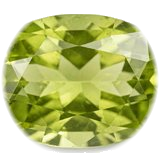
Peridot
Mohs 6.5–7*
A fresh olive-green gem formed deep in the earth.
Why It Needs Care
Peridot is only moderately hard and is sensitive to acids and heat. Its edges can also wear and scratch with daily use.
How To Clean
Wash in lukewarm water with mild soap and a soft brush.
Rinse and dry gently.
Skip mechanical cleaners.
What To Avoid
Acids, vinegar, lemon juice and strong cleaners.
Ultrasonic and steam cleaners, and sudden temperature changes.
Knocks and scratches.
Storage
Keep in a soft pouch or compartment away from harder gems.
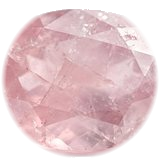
Rose Quartz
Mohs 7*
A soft pink quartz with a gentle, milky glow.
Why It Needs Care
Rose quartz is fairly hard, but it is often full of tiny fractures, and its colour can fade with long exposure to strong sunlight.
How To Clean
Wash in lukewarm water with mild soap.
Clean with a soft brush or cloth.
Rinse and dry well.
What To Avoid
Prolonged sunlight, which can fade the pink.
Ultrasonic and steam cleaners.
Heat and sudden temperature change.
Storage
Store out of direct light in a soft pouch or lined box.
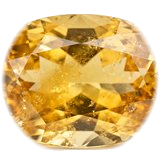
Citrine
Mohs 7*
A golden-yellow to orange quartz, often a heat-treated amethyst.
Why It Needs Care
Citrine is durable quartz and handles daily wear well. Extreme heat can change its colour, and knocks can still chip edges.
How To Clean
Wash in warm soapy water with a soft brush.
Rinse and dry with a soft cloth.
Ultrasonic cleaning may be fine for clean stones, but check first.
What To Avoid
Extreme heat and sudden temperature change.
Harsh chemicals and abrasives.
Steam cleaners.
Storage
Store in a separate pouch or compartment so harder gems do not scratch it.
Metals
Solid metal or plated? Solid gold, sterling silver and platinum can take warm soapy water and a soft brush. Plated pieces (gold, rose gold, white gold and rhodium) only have a thin surface layer, so they need a much gentler touch: no scrubbing, no polishing cloths, no dips and no soaking.
Gold
Solid
10K · 14K · 18K · 24K
Gold is a soft, dense metal that does not rust and rarely tarnishes. Pure gold (24K) is alloyed with other metals to make it harder: 18K is 75% gold, 14K about 58% and 10K about 42%.
Why It Needs Care
The lower the karat, the harder and more scratch-resistant the piece, but the more alloy metal it holds, which can dull with time. Pure 24K gold is the softest and dents and scratches easily, so it suits pieces worn gently.
How To Clean
Soak in warm water with a few drops of mild dish soap for 15 minutes.
Brush softly with a baby toothbrush, rinse and dry with a lint-free cloth.
For shine, buff gently with a soft, non-abrasive jewelry cloth.
Commercial gold cleaners work, but follow the label and rinse thoroughly. Do not use them on porous or treated gems.
What To Avoid
Chlorine and bleach, which can damage gold alloys and solder joints.
Abrasive pastes, rough cloths and toothpaste.
Mercury and strong household cleaners.
Storage
Store each piece in its own soft pouch or lined compartment. Pure and high-karat gold scratch easily, so keep chains from tangling.
Sterling Silver
Solid
.925 · 92.5% silver
Sterling silver is 92.5% pure silver with 7.5% other metals, usually copper, for strength. It is bright and takes a lovely polish but reacts with air.
Why It Needs Care
Silver reacts with sulphur compounds in air, food, wool, rubber and sweat, forming dark tarnish. The copper in the alloy speeds this up. Regular wear keeps pieces bright, while storage in the air lets them dull.
How To Clean
Wipe after wearing with a soft cloth.
Wash with warm water and mild soap, then dry completely.
Use a silver polishing cloth for light tarnish, rubbing along the length of chains.
For heavier tarnish on plain silver only, a commercial silver dip or a baking-soda and foil bath can help. Do not use on pearls, porous stones or antiqued (oxidised) finishes.
What To Avoid
Toothpaste and abrasive pastes, which scratch.
Rubber bands, wool, and leaving it in damp or sulphur-rich places.
Chlorine and bleach, and dips on pieces set with pearls, opals, turquoise or other soft stones.
Storage
Store in anti-tarnish pouches or an airtight zip bag with an anti-tarnish strip or silica gel. Keep pieces separate so they do not scratch.
Gold Plated
Plated
A thin gold layer over another metal
Gold-plated jewelry has a thin layer of gold bonded to a base metal such as brass, copper or silver. Gold vermeil is a thicker layer of gold over sterling silver.
Why It Needs Care
The gold layer is very thin and wears away with friction, sweat, water and chemicals, which exposes the base metal. Gentle handling is the only way to keep the plating bright for longer.
How To Clean
Wipe with a soft, dry or barely damp cloth after each wear.
If needed, use a very mild soap and lukewarm water, then pat dry at once.
Let it air dry fully before storing.
What To Avoid
Polishing cloths, abrasive pastes, dips and ultrasonic or steam cleaners.
Soaking, swimming, bathing and exercise sweat.
Perfume, lotion and hairspray, and rough rubbing.
Storage
Store dry, in an individual soft pouch or compartment, with a silica gel packet if you live somewhere humid.
Rose Gold Plated
Plated
A warm pink-gold layer over another metal
Rose-gold plating gives a blush colour from a copper-rich gold alloy over a base metal. It is delicate and wears like other plating.
Why It Needs Care
The copper tone is lovely but thin, and moisture and skin products speed up wear. Once the layer thins, the base metal shows through and can discolour.
How To Clean
Wipe with a soft, dry cloth after wearing.
If needed, use a barely damp cloth with a drop of mild soap, then dry straight away.
Never scrub.
What To Avoid
Water, sweat and chemicals, including perfume and sanitiser.
Abrasive cloths, dips and ultrasonic cleaners.
Storing damp.
Storage
Store dry in a soft pouch, apart from other jewelry, away from humidity.
White Gold Plated
Plated
A bright white layer over another metal
Plated white-gold pieces get their bright white look from a thin coating, often rhodium, over a base metal or gold alloy. Solid white gold is also commonly rhodium-plated.
Why It Needs Care
The coating is what gives the white finish. As it wears, a greyer or slightly yellow tone can show through. Gentle cleaning protects the finish between re-platings.
How To Clean
Wipe with a soft cloth.
Wash with lukewarm water and mild soap, rinse and pat dry.
Ask a jeweller about re-plating when the colour begins to change; solid white gold is often re-plated every year or two depending on wear.
What To Avoid
Abrasive cloths, pastes and dips.
Chlorine, bleach and strong cleaners.
Ultrasonic and steam cleaners unless approved by a jeweller.
Storage
Store in a soft pouch, separately from other pieces to avoid scratches that cut through the coating.
Rhodium Plated
Plated
A hard, reflective layer over silver or white gold
Rhodium is a hard, bright metal from the platinum family. It is used as a thin plating over silver and white gold for shine and tarnish resistance.
Why It Needs Care
Rhodium is hard and resists tarnish, but the layer is only a few microns thick. It wears first at edges, prongs and rings, revealing the metal below. Gentle cleaning keeps that layer longer.
How To Clean
Clean with lukewarm water, mild soap and a soft cloth.
Rinse and pat dry.
Take pieces to a jeweller for professional re-plating when the finish dulls.
What To Avoid
Abrasive polishes, rough cloths and brushes.
Chlorine, bleach and acidic cleaners.
Ultrasonic and steam cleaners unless approved by a jeweller.
Storage
Store in a soft pouch or lined box. Keep it away from other jewelry that can scratch it.
Platinum
Solid
950 · 95% pure
Platinum is a dense, naturally white metal. It does not tarnish and is hypoallergenic, so it is often chosen for engagement and heirloom pieces.
Why It Needs Care
Platinum is very durable. When it is scratched, metal is moved rather than lost, so over time it develops a soft, satin-like patina. Because it is so dense, it also feels heavier than gold.
How To Clean
Soak in warm water with mild dish soap, then brush gently.
Rinse and dry with a soft cloth.
A jeweller can restore the original high polish if you prefer a bright shine to the patina.
What To Avoid
Harsh abrasives and rough cloths.
Chlorine and strong chemicals.
Storing against gold or silver, which it can scratch.
Storage
Keep in its own pouch or compartment, away from softer metals and gems.
Frequently Asked Questions
How often should I clean my jewelry?
Wipe pieces with a soft cloth after every wear. Give daily-wear pieces a gentle wash every two to four weeks, and have a jeweller inspect and professionally clean them every six to twelve months.
Can I wear my jewelry in the shower or while swimming?
It is best not to. Soap, chlorine and salt water dull stones, tarnish silver and wear away plating. Pearls, opals, turquoise and plated pieces are especially sensitive.
How do I stop my silver from tarnishing?
Wear it often, wipe it after wear and store it in an anti-tarnish pouch or airtight bag with an anti-tarnish strip. Keep it away from rubber, wool and damp places.
Is it safe to use an ultrasonic cleaner at home?
Only for hard, untreated stones in secure settings, and only after checking with your jeweller. Never use one on pearls, opals, turquoise, emeralds, moonstone or plated jewelry.
Why is my gold-plated jewelry fading?
Plating is a very thin layer of gold. Friction, sweat, water and cosmetics wear it away. Keep it dry, wear it last and store it separately. A jeweller can re-plate many pieces.
How should I care for my pearls?
Wipe after each wear, keep them away from perfume and hairspray, lay strands flat to dry and store them in a soft pouch. Have a strand restrung every year or two if worn often.
What does the Mohs scale tell me?
It ranks how well a mineral resists scratching, from 1 (talc) to 10 (diamond). It does not measure toughness, so a hard stone can still chip or split if knocked.
Can I clean jewelry with toothpaste or baking soda?
No. Both are abrasive and leave tiny scratches on gems, gold and especially plated finishes.
When should I see a jeweller?
If a stone is loose, a prong or clasp looks worn, plating has rubbed through, or you are unsure what treatments a gem has had.
Not Sure About A Piece?
Our advisors are happy to help you care for your jewelry.
We and our partners use cookies and other technologies on this site to collect data about your device and activities on this site for enabling and optimizing site functionality and tools, analyzing site usage, personalizing your experience, and targeting ads, as detailed in our Privacy Policy and Cookie Policy. Click “Accept All” to consent to all of this, “Reject All” to get only essential cookies, or “Cookie Preferences” for more options.
Navidha Privacy Preference Center
Cookie Preferences
When you visit our boutique, we may store or retrieve information on your browser, mostly in the form of cookies. This information might be about you, your preferences or your device and is mostly used to make the site work as you expect it to and to provide a more personalized, luxurious experience.
You can choose not to allow certain types of cookies below. Read our full Privacy Policy and Cookie Policy for detailed information regarding our data practices.
Strictly Necessary Cookies
Always active
Required
These cookies are necessary for the website to function securely, preserve your shopping bag across pages, maintain currency selections, and ensure seamless checkout navigation. They cannot be switched off in our systems.
Performance & Analytics Cookies
Site optimization
These cookies allow us to count visits and traffic sources so we can measure and improve the performance of our boutique. They help us understand which heritage craft stories and jewelry pieces are most admired.
Functional & Experience Cookies
Enhanced personalization
These cookies enable the boutique to remember choices you make (such as your saved wishlist, concierge chat history, and preferred ring sizing units) to deliver a bespoke luxury experience.
Targeting & Marketing Cookies
Curated announcements
These cookies may be set through our site by our advertising partners to build a profile of your luxury interests and present you with relevant Navidha editorial campaigns and seasonal launches on other sites.
You are shopping in India
Prices, delivery guarantees, and local currency (INR ₹) will be tailored to your location.
Select Destination
Hello, have a question? Let’s chat.
Chat with an advisor
How can we help?
Our Virtual Advisor is ready to assist you.
You are interacting with an AI-powered chatbot, not a human agent, that can answer questions and connect you with a Customer Care Specialist during business hours. All chats may be monitored and recorded by Navidha Pearls and Jewelry and your information may be shared with our third-party technology providers. By clicking AGREE AND CHAT NOW, you acknowledge and agree to our Privacy Policy and our Terms of Use.